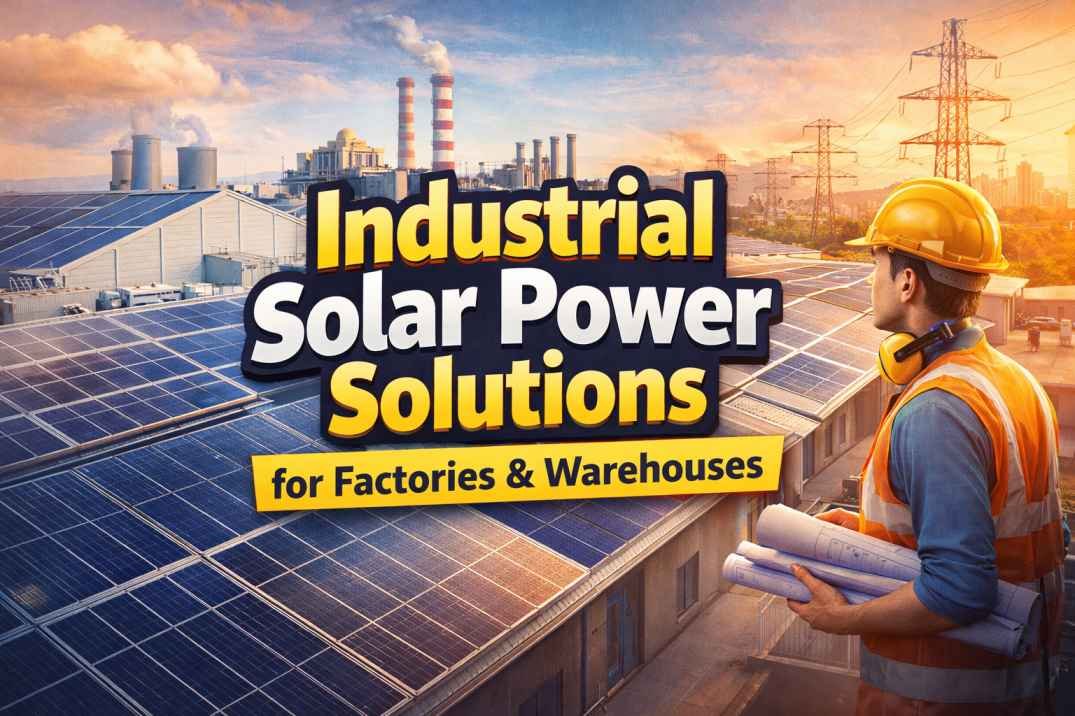
The industrial sector is one of the largest consumers of electricity, with factories and warehouses requiring continuous power to run machinery, lighting, cooling systems, and operations. Rising electricity costs and increasing pressure to adopt sustainable practices have made solar energy an attractive and practical solution for industries.
In this context, industrial solar EPC services play a crucial role in helping businesses transition to clean and cost-effective energy. From design and installation to commissioning and maintenance, EPC solutions provide a complete, hassle-free approach to solar adoption.
This comprehensive guide explores how industrial solar power solutions work, their benefits, and why factories and warehouses are increasingly choosing solar energy.
Understanding Industrial Solar Power Solutions
Industrial solar power systems are designed to meet the high energy demands of manufacturing units, warehouses, logistics hubs, and large commercial facilities. These systems are typically installed on rooftops, open land, or integrated into existing infrastructure.
Unlike small residential systems, industrial solar setups are larger in scale and require careful planning, engineering, and execution. This is where industrial solar EPC providers come in, offering end-to-end services that cover every stage of the project.
EPC stands for Engineering, Procurement, and Construction. It ensures that the entire solar project is handled by a single expert team, reducing complexity and ensuring quality.
What is Industrial Solar EPC?
Industrial solar EPC is a comprehensive service model that includes designing the solar system, sourcing high-quality components, installing the system, and ensuring it operates efficiently.
The engineering phase involves site assessment, load analysis, and system design. Procurement includes sourcing solar panels, inverters, mounting structures, and other components. Construction covers installation, wiring, testing, and commissioning.
By choosing an EPC provider, industries can avoid dealing with multiple vendors and ensure seamless project execution.
Why Factories and Warehouses Need Solar Power
Factories and warehouses operate for long hours and often have high energy consumption. Electricity costs form a significant part of their operational expenses.
Solar power offers a way to reduce dependency on grid electricity and lower energy bills. It also provides protection against rising electricity tariffs.
Warehouses, with their large rooftops, are particularly well-suited for solar installations. Factories can use both rooftop and ground-mounted systems depending on their space availability.
Adopting solar energy also helps companies meet sustainability goals and reduce their carbon footprint.
Key Benefits of Industrial Solar EPC Solutions
One of the biggest advantages of industrial solar EPC solutions is cost savings. Solar energy significantly reduces electricity bills, allowing businesses to allocate resources more efficiently.
Another major benefit is energy independence. By generating their own power, industries become less reliant on external energy sources.
Solar systems also have low maintenance requirements, making them a long-term and reliable investment.
Environmental benefits are equally important. Solar energy reduces greenhouse gas emissions and supports clean energy initiatives.
Additionally, industries that adopt solar power often enhance their brand image by demonstrating a commitment to sustainability.
Types of Industrial Solar Systems
Industrial solar systems can be broadly categorized into three types: on-grid, off-grid, and hybrid systems.
On-grid systems are connected to the main electricity grid. They allow industries to use solar power during the day and draw electricity from the grid when needed.
Off-grid systems operate independently of the grid and are ideal for locations with limited access to electricity.
Hybrid systems combine the benefits of both, using solar power along with battery storage and grid connectivity.
The choice of system depends on the specific requirements of the factory or warehouse.
Rooftop Solar for Warehouses
Warehouses often have large, unused rooftop spaces, making them ideal for solar installations. Rooftop solar systems can generate significant amounts of electricity without occupying additional land.
These systems help reduce energy costs and improve operational efficiency. They also protect the roof from heat, reducing indoor temperatures and cooling costs.
For logistics companies and storage facilities, rooftop solar is a practical and cost-effective solution.
Ground-Mounted Solar Systems for Factories
Factories with available land can opt for ground-mounted solar systems. These systems are easier to maintain and can be installed at optimal angles for maximum energy generation.
Ground-mounted systems are suitable for large-scale operations that require high power output. They can be expanded easily as energy needs grow.
This flexibility makes them a preferred choice for industrial facilities with long-term energy planning.
The Role of EPC in Project Execution
Industrial solar projects involve multiple stages, each requiring technical expertise. EPC providers ensure that every aspect of the project is handled professionally.
They conduct site surveys, design customized solutions, and ensure compliance with safety and regulatory standards. They also manage procurement and installation, ensuring timely completion.
By choosing a reliable industrial solar EPC provider, businesses can avoid delays, cost overruns, and technical issues.
Financial Benefits and ROI
One of the most compelling reasons to invest in industrial solar power is the return on investment.
Although the initial cost may seem high, the long-term savings on electricity bills make it a highly profitable investment. Most industrial solar systems achieve payback within a few years.
Government incentives, subsidies, and tax benefits further enhance the financial viability of solar projects.
Financing options such as loans and EMI plans also make it easier for businesses to adopt solar energy without significant upfront costs.
Net Metering and Energy Management
Net metering is an important feature of on-grid solar systems. It allows industries to export excess electricity back to the grid and receive credits.
This helps maximize the use of generated solar power and further reduces electricity costs.
Effective energy management ensures that solar systems operate efficiently and deliver consistent performance.
Maintenance and Performance Optimization
While solar systems require minimal maintenance, regular inspections and cleaning are essential for optimal performance.
EPC providers often offer Operation and Maintenance (O&M) services, including system monitoring, fault detection, and preventive maintenance.
Annual Maintenance Contracts (AMC) ensure that the system remains efficient and reliable over its lifespan.
Proper maintenance not only improves performance but also extends the life of the system.
Challenges in Industrial Solar Projects
Despite the benefits, industrial solar projects can face challenges such as space constraints, initial investment costs, and regulatory approvals.
However, these challenges can be effectively managed with proper planning and the support of experienced EPC providers.
Choosing the right partner ensures that the project is executed smoothly and delivers the expected results.
Future of Industrial Solar Energy
The future of industrial solar energy looks promising, with advancements in technology and increasing awareness about sustainability.
Innovations such as energy storage systems, smart grids, and AI-based monitoring are enhancing the efficiency and reliability of solar power.
As industries continue to prioritize sustainability, the adoption of solar energy is expected to grow significantly.
Choosing the Right Industrial Solar EPC Provider
Selecting the right EPC provider is crucial for the success of your solar project.
Look for a company with proven experience, certified professionals, and a strong track record. Transparency in pricing, quality of materials, and after-sales support are also important factors.
A reliable EPC partner ensures that your investment delivers maximum value and long-term benefits.
Final Thoughts
Industrial solar power solutions are transforming the way factories and warehouses manage their energy needs. By reducing costs, improving efficiency, and supporting sustainability, solar energy has become an essential part of modern industrial operations.
Choosing the right industrial solar EPC provider ensures a seamless transition to clean energy, with professional execution and reliable performance.
As energy demands continue to rise, investing in solar power is not just a smart decision—it is a strategic move toward a more sustainable and profitable future.